Michelle Baldwin — Writer
Narrative non-fiction about energy, technology, and the American West. A book is coming. A lake is disappearing. These things are connected.
Read about the projectI went camping at Scofield Reservoir in Utah to unplug from my day job — marketing AI software for a global technology company. I wanted quiet. I found trucks.
The trucks were B-train haulers on UT-96, sealed and unmarked. I followed the curiosity. What I found in that canyon — a mine, a conveyor, a reclaimed meadow with a sign that didn't tell the whole truth, a mass grave from 1900 — became the spine of a book I couldn't not write.
I've been a copywriter for twenty years. I've built marketing programs for enterprise software companies, launched AI-driven products to global audiences, and written for publications including the Wasatch Journal. I live in Utah. I camp a lot. I pay attention.
Like Bill Gates calling himself a software guy with no business lecturing anyone about climate change — I am an AI marketing manager who found coal. I plead guilty to all charges.
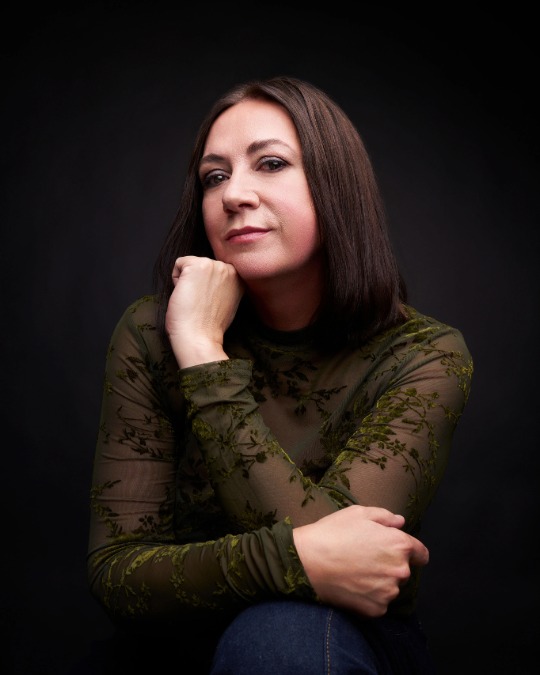
"I went to unplug. I found the thing that powers everything I sell."
My work sits at the intersection of technology and place. I've spent two decades writing about innovation — products that learn, predict, and scale. But underneath every data center, every training run, every inference query, there is infrastructure. There is land. There is extraction.
The American West is where the collision is most visible. The coal is here. The dying lake is here. The proposed 9-gigawatt data campus on the lake's northern shore is here. The story is here.
I write about these things not as an outsider, but as someone inside the machine looking out — and asking what the machine is burning to run.
A Trilogy · Book One
A narrative non-fiction investigation that begins at a campsite and ends at a dying lake — tracing the chain from extraction to electricity to data centers to arsenic in the food supply.
It started with trucks I didn't recognize on a road I'd never noticed. From Scofield Reservoir, I followed the coal to its mine, its railroad loadout, its power plants, its connection to the AI data centers being built on the shore of the Great Salt Lake — and to a federal executive order that explicitly links coal power to artificial intelligence infrastructure.
Along the way I found a reclaimed meadow that is still a lie, a mass grave from 1900 that changed U.S. mine safety law, 62 billion tons of coal sitting untouched under a national monument, and a 9-gigawatt natural gas campus approved over the objections of 1,100 protesters on the shore of a lake producing toxic dust storms.
And I found my father. He built a geothermal energy company in the 1970s near San Diego. The same technology. The same window. Reagan deregulated oil in 1983 and the window closed. The window is open again. Whether we walk through it this time is the question the trilogy builds toward.
Wasatch Journal · 2007
Forty-five minutes from Salt Lake City International Airport lies an in-between place — a 10.2-mile road crossing three counties and spanning the modern history of the Wasatch Range.
Read article →Current Project · 2026
Book One in a trilogy about energy infrastructure, climate change, and personal narrative. A woman in tech goes camping, finds coal, and follows it to a dying lake.
About the project →Enterprise Marketing · 20 years
Lead marketer for a global AI-driven software intelligence company. Two decades of copywriting, content strategy, and product launches in the enterprise technology sector.
Get in touch →For media inquiries, interview requests, newsletter collaborations, or just to say you also noticed the trucks — reach out.
hello@michellebaldwin.net